By Warren Hunt | August 10, 2026
August 10, 2026
Modern property owners constantly search for superior ways to manage interior climate conditions throughout changing seasons. Traditional combustion furnaces and standard air units often struggle to deliver optimal energy efficiency during extreme weather shifts. Choosing the right mechanical setup requires careful evaluation of long-term operating costs, daily comfort needs, and overall environmental impact.
Upgrading your home equipment offers an innovative path toward comprehensive comfort and lower operating overhead. Homeowners frequently consult with a qualified heating service technician to evaluate current system capabilities, audit existing energy loss, and explore modern alternatives. These professional assessments help identify inefficiencies that drive up monthly utility expenses.
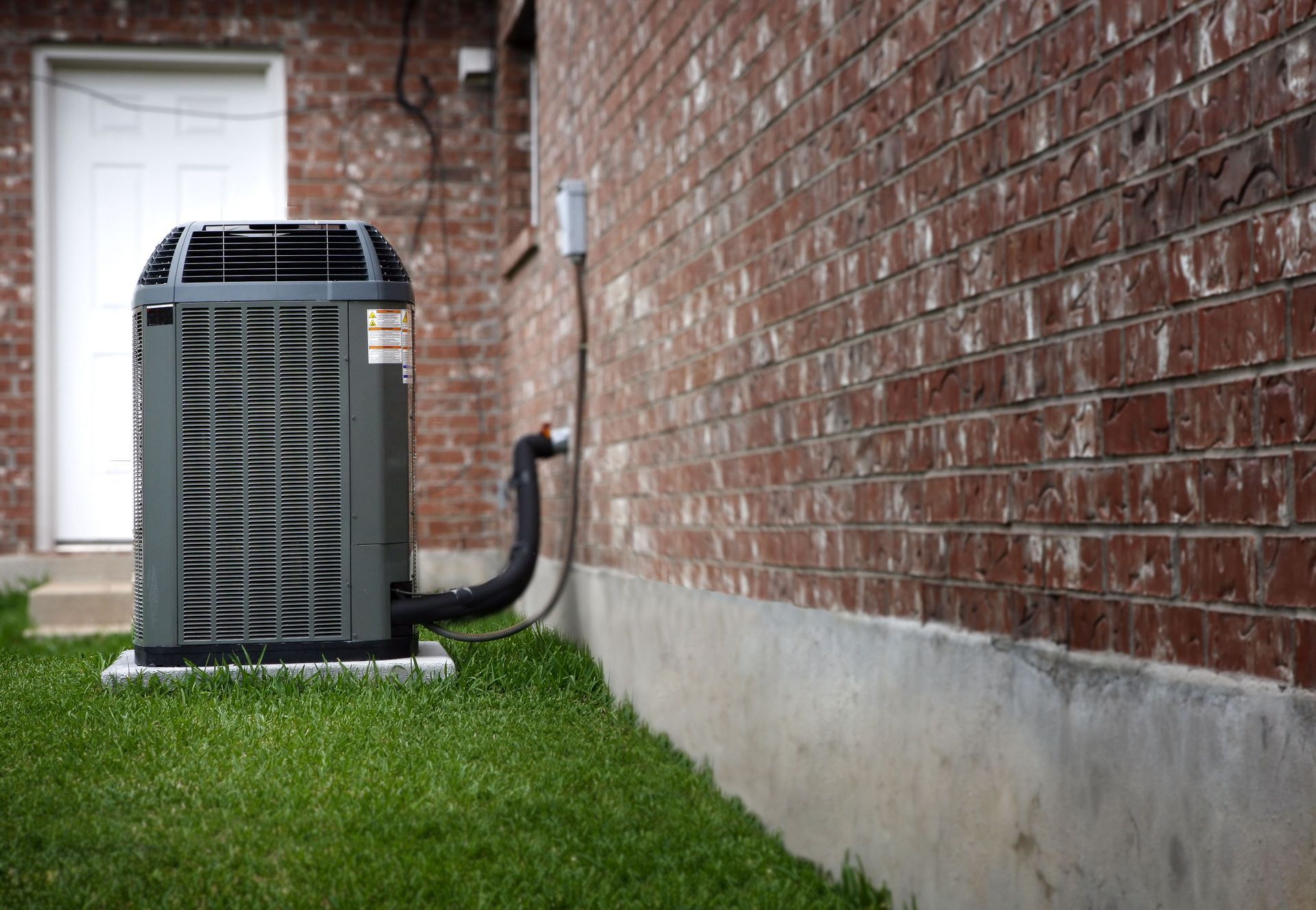
Transitioning to an electric heat pump represents a significant step forward in residential climate management technology. These systems transfer thermal energy rather than creating warmth through fuel combustion. Moving existing heat requires far less energy input than burning fossil fuels, making the process inherently sustainable.
By utilizing advanced refrigerant cycles, heat pumps deliver dependable climate control regardless of outdoor temperatures. Professional installers often recommend this modern solution for long-term reliability, quiet operational sound levels, and financial savings. Modern equipment adapts smoothly to varying weather patterns without consuming excessive electricity.
Consulting a specialized heating service provider allows you to determine whether your current setup meets modern efficiency standards. Modern heat pumps provide both warming and cooling from a single outdoor unit, simplifying household mechanical management.
1. Reduce Household Energy Bills
Traditional heating equipment relies on fuel combustion or electric resistance elements to generate warmth. These older mechanisms consume substantial energy reserves, leading to high monthly utility expenses for property owners. Fuel prices often fluctuate unpredictably, making household budgeting difficult during severe winter months.
Heat pumps operate by shifting ambient warmth from outside air directly into interior living areas. This process requires significantly less electricity than traditional heating methods, as moving heat uses a fraction of the power needed to create it.
Lower energy consumption translates directly into reduced monthly utility bills throughout cold weather cycles. Property owners notice immediate financial relief after completing the installation process and adjusting their operational habits.
When requesting a routine heating service assessment, ask your technician to calculate projected annual electrical savings. Many property owners recover their installation investment faster than anticipated through lower monthly bills.
2. Lower Total Carbon Footprint
Environmental sustainability has become a primary priority for property owners seeking responsible home upgrades. Conventional gas furnaces emit greenhouse gases directly into ambient air during operation, contributing to broader environmental concerns.
Electric heat pumps generate zero direct emissions at the residential property site. By eliminating fuel combustion, these advanced units significantly decrease total household carbon output while maintaining consistent indoor warmth.
Transitioning toward electrification aligns your home with modern clean energy initiatives and grid developments. Renewable power sources continue to supply higher percentages of residential electricity over time, making electric equipment cleaner every year.
According to Leads4build.com, consumer purchases of heat pumps rose by 115% over a 20-year trend, whereas gas furnace acquisitions declined by 11% during that same duration.
This shift underscores growing homeowner interest in sustainable home technology across the nation. Families increasingly choose modern solutions that offer high performance without heavy environmental consequences.
3. Enhance Year-Round Home Comfort
Managing two separate climate systems often requires complex scheduling and frequent mechanical repairs. Standard air conditioners sit idle during winter, while fuel furnaces remain inactive throughout summer, taking up extra space and doubling maintenance demands.
A single heat pump provides comprehensive year-round climate regulation through one integrated unit. The system seamlessly reverses function to deliver chilled air during hot months and reliable warmth when conditions cool down.
- Single equipment installation saves valuable utility space in basements, attics, or utility closets.
- Reversible refrigerant valve enables instant switching between cooling and warming modes.
- Variable-speed compressors maintain precise indoor temperatures without constant power cycling.
Continuous airflow prevents cold spots and temperature fluctuations in individual living areas. Occupants enjoy consistent indoor temperatures regardless of sudden outdoor weather shifts or rapid seasonal transitions.
Scheduling a seasonal heating service appointment ensures your dynamic valve switches smoothly between seasonal settings. Routine maintenance preserves peak performance, protects internal electrical components, and ensures quiet operation during extreme weather conditions.
4. Improve Indoor Air Quality
Indoor air quality directly impacts family wellness, respiratory comfort, and daily living conditions. Older combustion furnaces often circulate dust, soot particles, and dangerous combustion byproducts through household ductwork.
Heat pumps run entirely on electrical power, completely eliminating combustion risk within living spaces. They do not generate dangerous carbon monoxide gas, soot residues, or chemical fumes inside your home.
- Advanced multi-stage filtration captures pollen, pet dander, mold spores, and microscopic airborne debris.
- Integrated dehumidification controls excess interior moisture during humid seasonal cycles, preventing mold growth.
Cleaner air circulation protects sensitive family members from common airborne allergens and irritants. Improved filtration also keeps home furnishings cleaner by capturing airborne dust before it settles on surfaces throughout living rooms.
Professional heating service teams can inspect ductwork and install specialized filtration units alongside new heat pumps. Fresh, well-filtered interior air promotes healthier indoor environments and better sleep for all occupants.
5. Simplify Overall System Maintenance
Maintaining separate furnace and air conditioning hardware creates double the mechanical maintenance requirements. Property owners must track filter replacements, ignition components, gas valves, and safety inspections for multiple setups throughout the year.
Combining climate management into a single heat pump unit simplifies ongoing maintenance obligations. Technicians service one cohesive system during routine inspection visits, saving time and reducing service fees.
Fewer mechanical parts mean fewer potential points of component failure over time. Modern heat pumps utilize durable, brushless motors and sealed compressor systems designed for extended service lifetimes.
Standard maintenance involves clean filter replacements, outdoor coil washing, condensate line cleaning, and basic electrical checks. Simplified maintenance reduces unexpected emergency repair costs over the long operational system lifespan.
Partnering with a reliable heating service company ensures your unified system receives thorough biannual checkups. Preventive care maintains optimal efficiency through changing seasonal demands and extends equipment durability.
6. Increase Long-Term Property Value
Upgrading primary mechanical infrastructure enhances total residential property valuation in competitive real estate markets. Modern homebuyers actively seek properties equipped with modern, energy-efficient climate systems that offer low operating costs.
An electric heat pump signals responsible property stewardship and low future operating costs. Buyers appreciate avoiding immediate mechanical replacement expenditures after purchasing a home, making your listing far more attractive.
Higher energy efficiency ratings make your property more appealing during prospective buyer walkthroughs. Energy-conscious buyers value reduced utility expenses, quiet system operation, and sustainable home technology.
Documented installation records, energy ratings, and manufacturer warranty coverage provide reassurance during formal home inspections. Quality upgrades distinguish your home from older properties relying on outdated combustion furnaces.
A certified heating service contractor provides detailed documentation verifying proper equipment installation and precise load sizing. Clear service records strengthen seller positioning during real estate negotiations and appraisal reviews.
Investing in an electric heat pump delivers exceptional energy efficiency, lowered utility expenses, and clean indoor comfort for your family. Replacing outdated combustion furnaces with modern electric technology reduces home carbon emissions while enhancing daily living conditions through precise climate control. Unified climate systems streamline seasonal maintenance routines, eliminate safety risks associated with fuel combustion, and increase total property value over time. Proper equipment selection and expert installation ensure your property remains comfortable during every season.
When you feel ready to elevate your interior climate performance and experience total home comfort, turn to experienced industry professionals. Contact Hunt Plumbing, Heating, & Air Conditioning, LLC to schedule your comprehensive consultation and discover the ideal heat pump system for your home.