Plumbing emergencies can strike without warning, turning a peaceful afternoon into a stressful race against water damage. Taking quick, calm action with plumbing repairs during those first critical minutes protects your living space, preserves structural integrity, and saves you thousands of dollars in restoration costs. Having a clear plan in place ensures you can systematically control the issue until a qualified technician arrives to assist.
Locating Your Main Water Shut-Off Valve
When water begins pouring from an unexpected location, your first priority must always be stopping the supply. Every homeowner should know the precise location of the primary water shut-off valve before a disaster occurs. This valve is typically situated in a basement, crawlspace, utility closet, or near the water meter where the main municipal line enters your home. Turning this valve clockwise shuts down pressurized water throughout your entire building, instantly stopping active flooding. If an individual fixture like a toilet or sink causes the problem, you can use the smaller local oval valve directly beneath it. Once the flow ceases, open your lowest indoor and outdoor faucets to relieve residual pressure and drain remaining water out of the lines.
Protecting Your Household Electrical Systems With Plumbing Repairs
Water and electricity represent an extremely hazardous combination that requires absolute caution during an emergency. If flooding occurs near electrical outlets, baseboard heaters, major appliances, or your main breaker panel, do not step into standing water. Carefully access your circuit breaker only if you can do so while standing on completely dry ground away from the spill. Shut off electricity to the impacted rooms to eliminate the risk of electric shock while you inspect the damage. If you cannot reach the electrical panel safely without stepping into moisture, evacuate the immediate area immediately and contact your utility provider. Ensuring electrical safety allows you to proceed with essential property protection steps without endangering yourself or your family.
Identifying Burst Pipe Hazards Early
Freezing winter weather or extreme internal pressure can cause distribution pipes to split, releasing dozens of gallons per minute into your walls or ceilings. When dealing with ruptured supply lines, prompt containment limits the spread of moisture into drywall, subfloors, and foundational materials. Place sturdy plastic buckets, storage bins, or deep containers under active leaks to catch falling water. If a ceiling begins to bulge downward with trapped water, carefully puncture the center of the blister with a screwdriver while holding a bucket beneath it. Relieving this pooling water prevents the entire drywall sheet from collapsing under accumulated weight. Addressing these severe line ruptures promptly reduces the overall scope of needed plumbing repairs across your living spaces.
Managing Severe Drain and Sewer Backups
Drain blockages that impact multiple fixtures at once often indicate an obstruction deep inside your main sewer line. If sewage or dark water pushes backward into your bathtubs, showers, or floor drains, stop running all water in the house immediately. Do not flush toilets, run the dishwasher, or start a laundry cycle, as any added wastewater will immediately overflow into your living areas. Keep children and pets away from the contaminated area, since sewer backups introduce bacteria and harmful pathogens into the home. Avoid pouring corrosive chemical drain cleaners down backed-up fixtures, as standing chemicals rarely dissolve main line blockages and can severely damage your piping material. Professional sewer camera inspections, and drain cleaning are necessary to clear the root cause safely.
Evaluating Water Heater Tank Failures
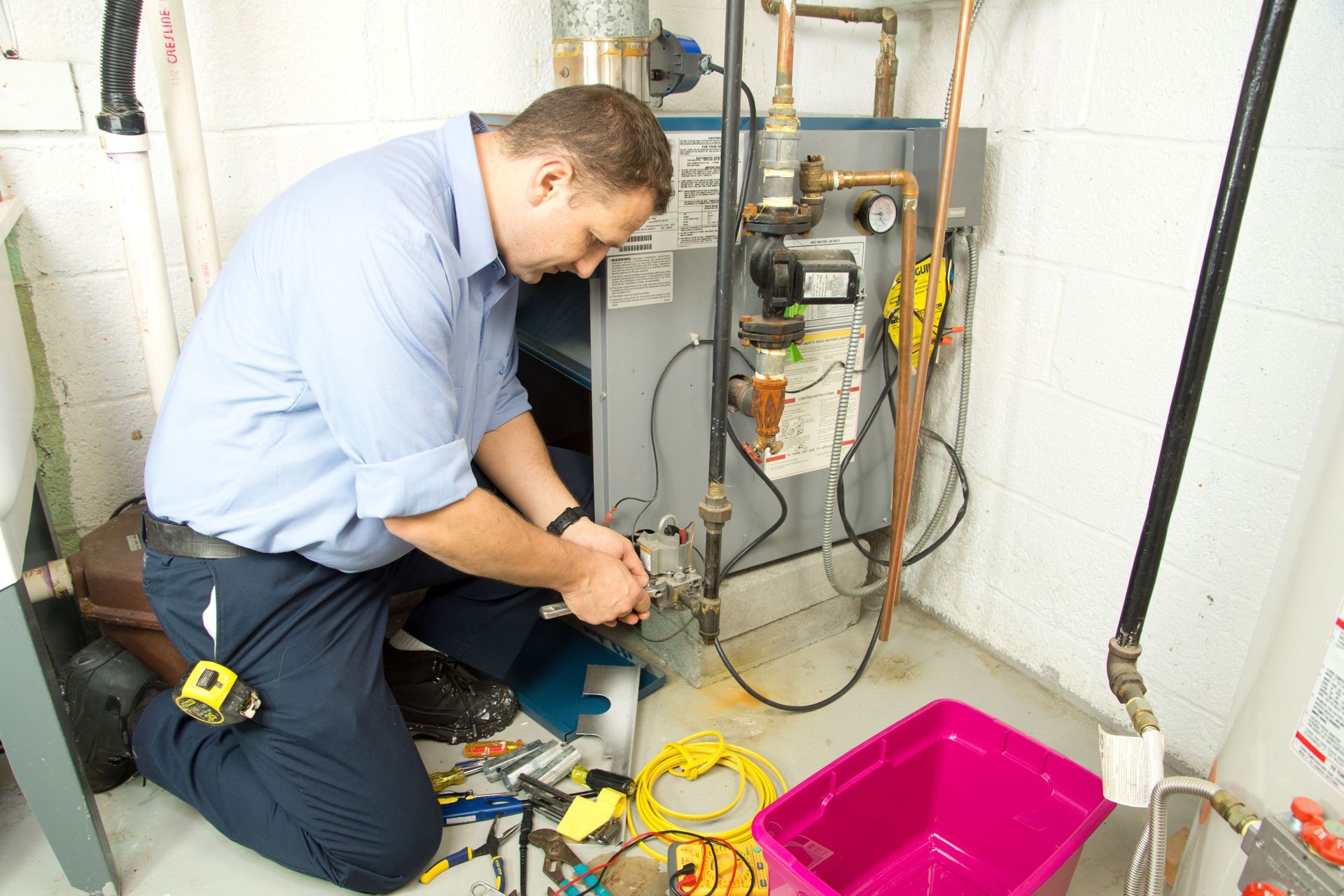
A failing water heater can flood utility rooms and leave an entire household without the hot water required for daily hygiene and sanitation. According to U.S. Water Heating Solutions, the average family of 4 uses roughly 60 gallons of hot water a day. When a tank rusts through, suffers a broken heating element, or experiences a catastrophic valve rupture, that vital comfort vanishes in seconds. If your water heater leaks from the tank body, immediately turn off the dedicated cold water shut-off valve on the incoming pipe above the unit. For electric models, switch off the dedicated circuit breaker in your electrical panel, or rotate the gas control knob to the "Off" or "Pilot" position for gas-fired units. Taking these measures prevents tank overheating and protects the system until reliable plumbing repairs can restore your hot water supply.
Addressing Fixture and Toilet Overflows
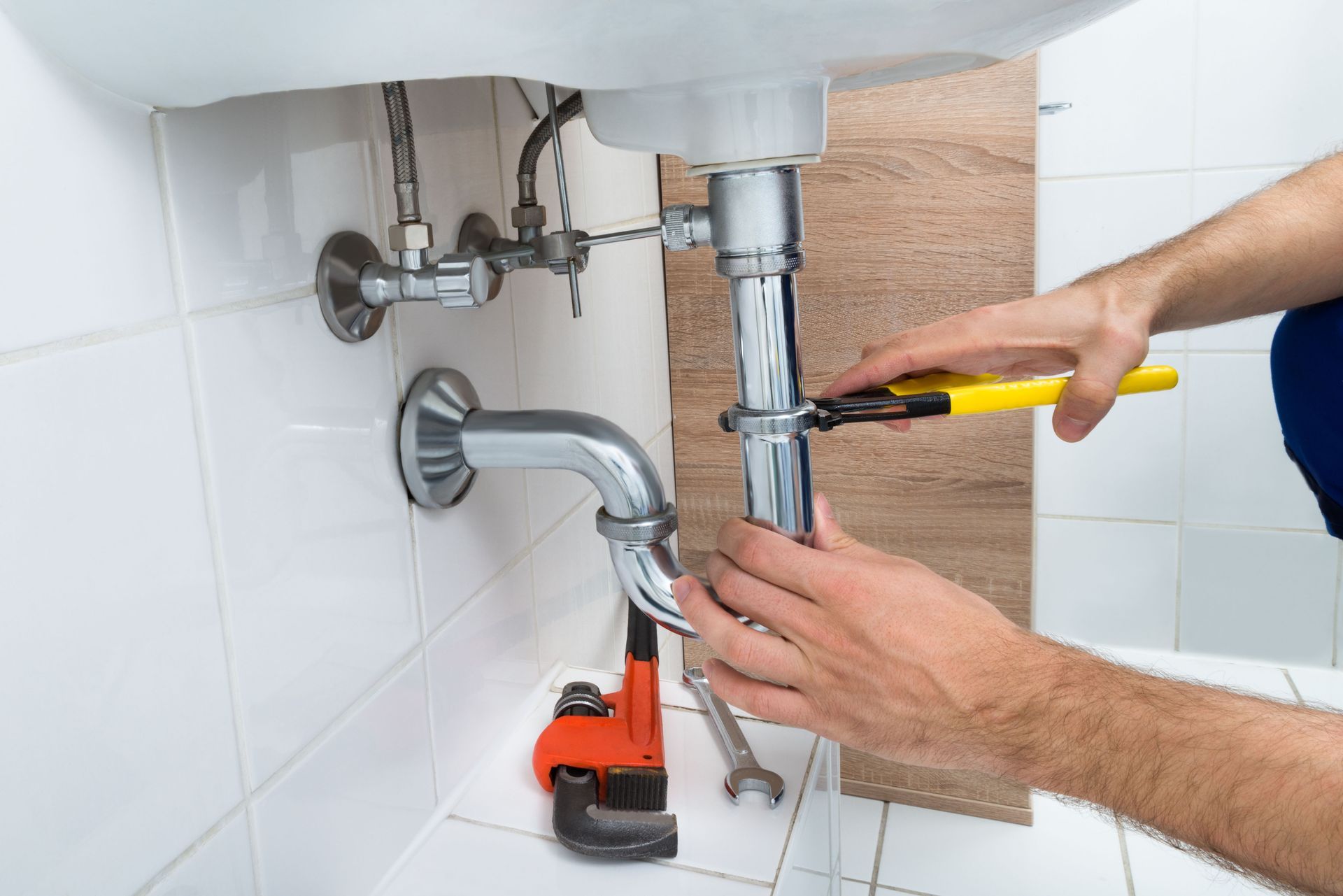
A persistently running or overflowing toilet can quickly soak bathroom floors and seep through ceilings into lower levels. If a toilet bowl begins filling rapidly toward the rim after flushing, immediately remove the tank lid and push the rubber flapper valve down against the bottom drain hole. Next, lift the float arm or float cup to stop water from filling the tank while you reach down to turn the shut-off valve behind the toilet. For kitchen sink or garbage disposal clogs, never stick your hands into the grinding chamber, even if the wall switch is off. Instead, use a flashlight to locate visible obstructions and attempt gentle plunging with a standard cup plunger. Containing smaller fixture malfunctions quickly prevents them from turning into complicated household headaches.
Checking Sump Pump Operational Reliability
Basements and crawlspaces rely on sump pumps to keep ground moisture and heavy rainwater from saturating interior foundation walls. During severe storms, check your sump pit to confirm that the mechanical float switch moves freely without catching on the basin walls. Pour a bucket of water into the crock to test whether the motor activates automatically and discharges the liquid outside your foundation. If the pump hums without clearing the basin, the intake screen may be clogged with gravel, or the exterior discharge line could be blocked by debris or frozen slush. Having a reliable battery backup system ensures continuous basement flood defense even if severe weather cuts main electrical power to your neighborhood.
Documenting Property Loss for Insurance Claims
Once standing water is contained and immediate hazards are neutralized, thoroughly documenting the scene protects your financial interests. Use your smartphone to take crisp photographs and wide-angle videos of all affected rooms, soaked building materials, and damaged personal possessions. Capture close-up images of the failed pipe, split supply line, or damaged appliance connection before any cleanup begins. Keep detailed notes outlining the time the incident began, the steps you took to mitigate the loss, and the structural areas affected. Insurance adjusters require clear, chronological proof to process property damage claims smoothly and approve reimbursements for cleanup and comprehensive plumbing repairs.
Mitigating Moisture and Preventing Mold Growth
Standing water begins degrading building materials within hours, creating an ideal breeding ground for harmful mold and mildew colonies. Use a wet/dry utility vacuum to remove pooling water from concrete slabs, tile flooring, and hard surfaces as quickly as possible. Strip away soaked area rugs, furniture cushions, cardboard boxes, and damp curtains, moving them outdoors or into well-ventilated dry areas. Open interior doors and set up heavy-duty floor fans alongside commercial dehumidifiers to establish continuous cross-ventilation through affected rooms. Elevate wooden furniture off wet carpeting using small wooden blocks or aluminum foil squares placed under each leg. The faster you remove moisture from enclosed areas, the less structural timber and drywall you will need to replace later.
Experiencing an unexpected pipe burst, sewer backup, or major fixture leak can be overwhelming, but following a structured plan restores order quickly. Knowing how to isolate the water main, protect electrical connections, and dry your living space prevents extensive property loss. When an unexpected emergency strikes your property and demands professional plumbing repairs, reach out directly to Hunt Plumbing, Heating, & Air Conditioning, LLC to schedule prompt, expert service.